
RGC Tote Bag & Print Edition
RGC tote bag and the 30 year anniversary Reading Group Choices print edition. This perfect all-purpose RGC tote bag features an eye-catching quote from one of our groups’ favorite books!…
RGC tote bag and the 30 year anniversary Reading Group Choices print edition. This perfect all-purpose RGC tote bag features an eye-catching quote from one of our groups’ favorite books!…

Filled with over 50 book recommendations in 3 sections (fiction, nonfiction, and young adult). Each title has been carefully selected for reading groups, and includes discussion questions to facilitate lively…
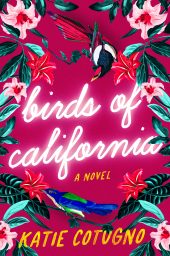
Sparks fly and things get real in this sharply sexy and whip-smart romantic comedy set against the backdrop of a post #metoo Hollywood from New York Times bestselling author Katie…

In the tradition of Room comes a debut about a mom desperate to find help for her young daughter, whose disturbing behavior grows increasingly dangerous. Suzette is unable to form…
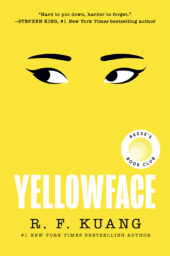
White lies. Dark humor. Deadly consequences… Bestselling sensation Juniper Song is not who she says she is, she didn’t write the book she claims she wrote, and she is most…

A story of resilience, repulsion, and the Roaring 20’s based on the little-known history of Carville, America’s only leper colony, by RUSA Award-winning author and registered nurse Amanda Skenandore. Based…